The Foundation of Faith: The Importance of Praying Five Times Regularly
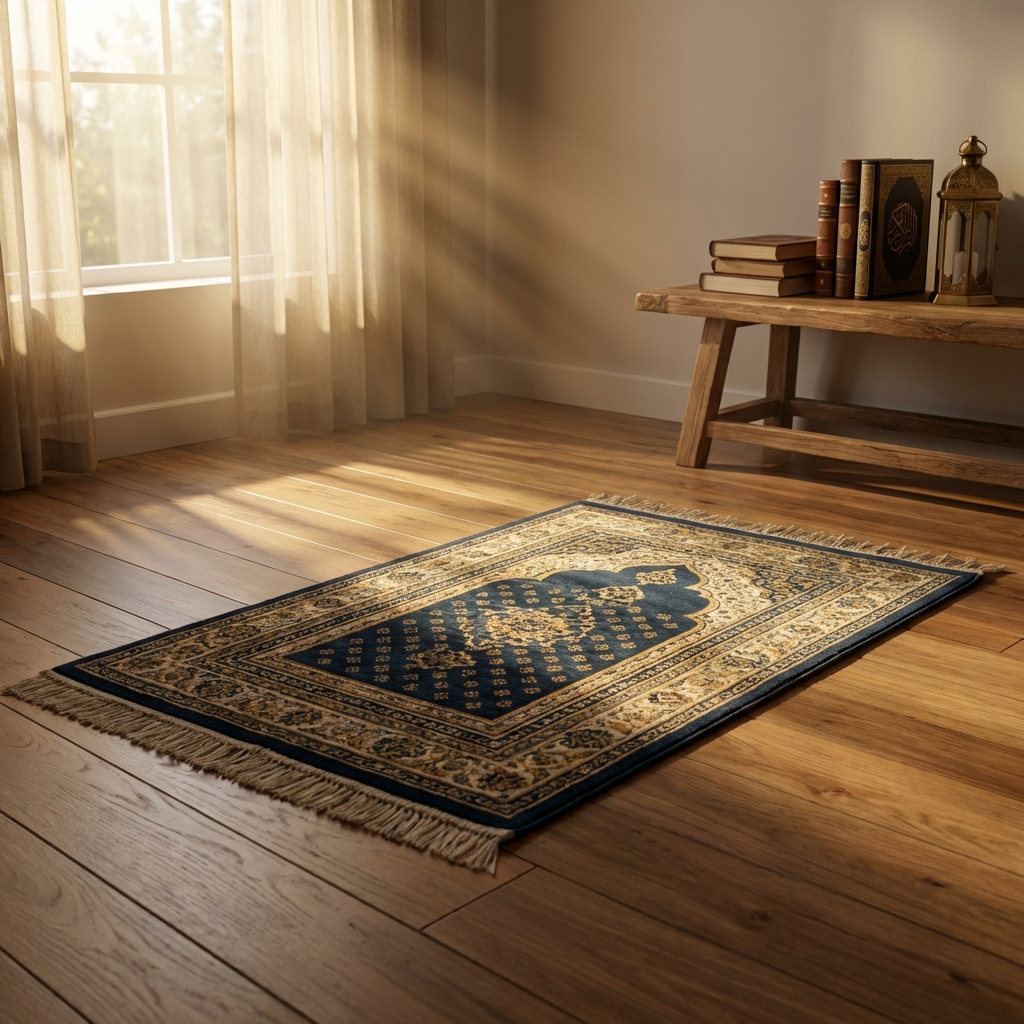
In the life of a Muslim, nothing holds a more central position than the five daily prayers, known as Salah. It is not merely a ritual but a direct lifeline to our Creator, a source of spiritual nourishment, and the second pillar of Islam.
Maintaining these prayers regularly at their appointed times is an obligation that carries profound significance in this life and the hereafter.
1. A Direct Command from Allah
The Quran emphasizes the establishment of prayer in numerous verses. It is not a suggestion but a divine decree.
"And establish prayer and give zakah and bow with those who bow in worship and obedience."
(Surah Al-Baqarah, 2:43)
Allah also explicitly mentions that these prayers are set at specific times:
"Indeed, prayer has been decreed upon the believers a decree of specified times."
(Surah An-Nisa, 4:103)
2. The First Thing Questioned
On the Day of Judgment, when we stand before Allah, the very first thing we will be held accountable for is our Salah. If our prayers are in order, the rest of our deeds will likely follow suit.
The Prophet Muhammad ﷺ said:
"The first thing for which a person will be brought to account on the Day of Resurrection will be his prayer. If it is sound, then he will have succeeded and pertained, but if it is lacking, then he will have failed and lost."
(Sunan an-Nasa'i 465, Graded Sahih)
3. A Means of Purification
The five daily prayers act as a spiritual cleanser. Just as washing our bodies removes physical dirt, Salah removes the "dirt" of our sins and mistakes.
The Prophet ﷺ once asked his companions:
"If there was a river at the door of one of you and he took a bath in it five times a day, would any dirt remain on him?" They replied, "No dirt would remain on him." He ﷺ said, "That is like the five daily prayers: Allah wipes away sins by them."
(Sahih Bukhari 528, Sahih Muslim 667)
4. Protection from Immorality
Regular prayer shapes a person's character and acts as a shield against falling into major sins and immoral behavior.
"...and establish prayer. Indeed, prayer prohibits immorality and wrongdoing, and the remembrance of Allah is greater..."
(Surah Al-Ankabut, 29:45)
When we stand before Allah five times a day, it creates a constant state of mindfulness (Taqwa) that helps us navigate worldly temptations.
5. The Pillar of Islam
Prayer is what holds the structure of a Muslim's faith together. Without it, the foundation becomes weak.
The Prophet ﷺ said:
"Islam is built upon five pillars: testifying that there is no god but Allah and that Muhammad is the Messenger of Allah, establishing prayer, giving zakah, hajj, and fasting Ramadan."
(Sahih Bukhari 8, Sahih Muslim 16)
Furthermore, the abandonment of prayer is described in very serious terms:
"Between a man and polytheism and disbelief is the abandonment of prayer."
(Sahih Muslim 82)
Practical Tips for Consistency
- Prioritize the Adhan: Stop whatever you are doing when the call to prayer starts.
- Use Technology: Set alarms or use prayer time apps to ensure you never miss a timing.
- Pray in Congregation: Whenever possible, pray at the mosque or with family to increase the reward and maintain discipline.
- Understand the Meaning: Learn the translation of what you recite in Salah to increase focus (Khushu).
- Make Dua: Ask Allah for the strength and steadfastness to never neglect your prayers.
Conclusion
The five daily prayers are a gift from Allah—a chance to disconnect from the chaos of the world and reconnect with our Source of peace. By establishing Salah, we are not doing a favor to Allah, but rather we are protecting our own souls and securing our success in the afterlife.
Let us make a firm intention today to never let a single prayer slip away, for Salah is the key to Paradise.
References
- Quran: Surah Al-Baqarah (2:43), Surah An-Nisa (4:103), Surah Al-Ankabut (29:45)
- Sahih al-Bukhari
- Sahih Muslim
- Sunan an-Nasa'i
This blog post is based on authentic Islamic sources. For specific religious rulings, please consult qualified Islamic scholars.