The Art of Salah Part 1: Entering the Presence of Allah
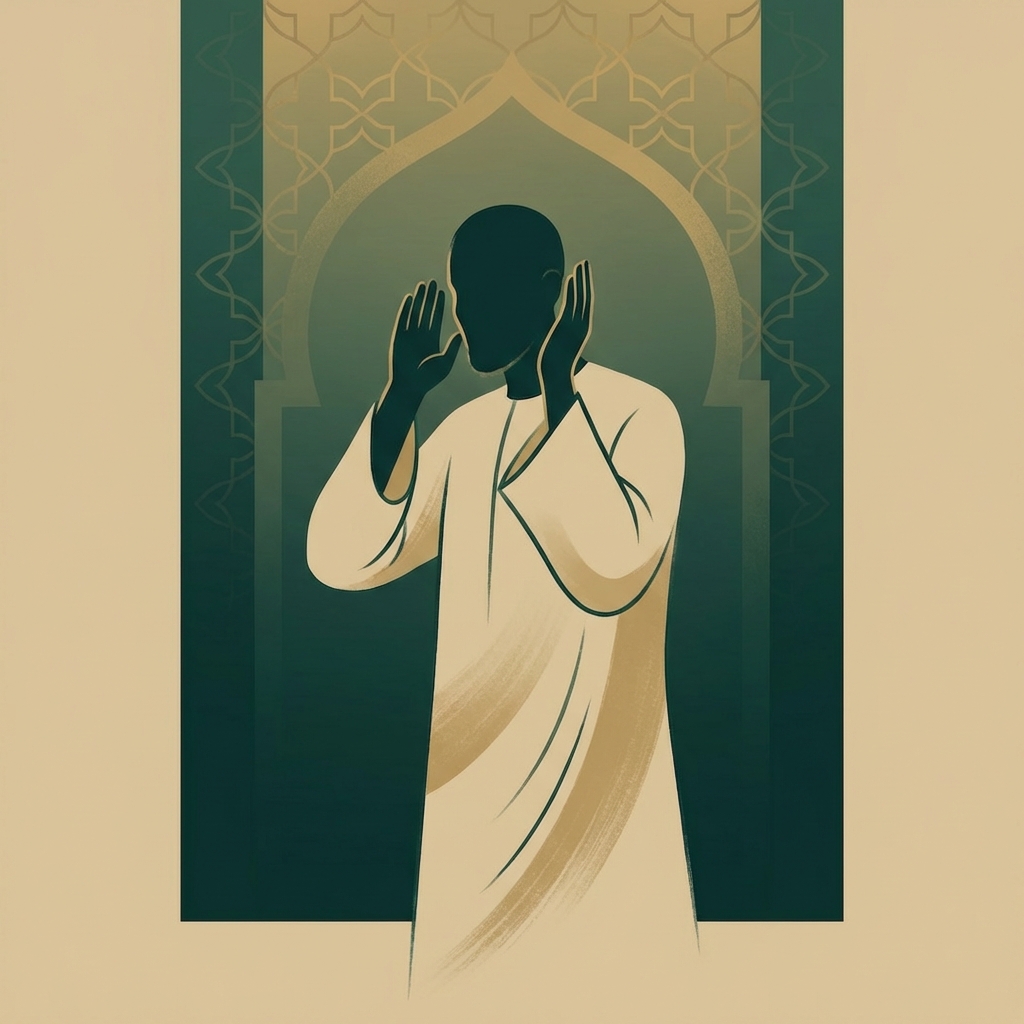
Welcome to the first part of our "Art of Salah" learning path. This series is designed to take you through the physical and spiritual journey of Salah, using authentic Hadith as our primary guide.
In this first installment, we focus on the very beginning: the internal state of intention and the external act of the opening Takbir.
1. The Foundation: Intention (Niyyah)
Before a single physical movement is made, the heart must be prepared. The intention is what distinguishes an act of worship from a mere physical habit.
The Prophet Muhammad ﷺ said:
"Actions are but by intentions and every man shall have only that which he intended."
(Sahih al-Bukhari & Sahih Muslim)
Key Takeaway: The Niyyah resides in the heart. It is not something that needs to be uttered loudly. It is your conscious realization that you are standing up to pray a specific prayer (e.g., Dhuhr) for the sake of Allah alone.
2. Standing Before the Creator (Qiyam)
If one is physically able, standing for the obligatory prayer is a pillar (Rukn) of Salah. This position represents our status as slaves standing before their Master.
Allah says in the Quran:
"Maintain with care the obligatory prayers and in particular the middle prayer and stand before Allah, devoutly obedient."
(Surah Al-Baqarah, 2:238)
3. The Opening: Takbiratul Ihram
The prayer officially begins with the phrase "Allahu Akbar" (Allah is Greater). This is called Takbiratul Ihram (the Takbir of Prohibition) because it makes it "Haram" (prohibited) to do things like eating, drinking, or talking until the prayer is over.
Ali ibn Abi Talib reported that the Prophet ﷺ said:
"The key to prayer is purification, its prohibition is the Takbir, and its conclusion is the Taslim."
(Sunan Abu Dawud & Sunan at-Tirmidhi)
4. Raising the Hands (Raf’ al-Yadayn)
One of the most beautifully documented aspects of the Prophet’s ﷺ prayer is how he raised his hands at the beginning. This act symbolizes casting the world behind us as we turn to Allah.
Where to Raise the Hands?
Authentic narrations describe two main positions for raising the hands:
A. Level with the Shoulders
Abdullah ibn Umar (may Allah be pleased with him) narrated:
"I saw the Messenger of Allah ﷺ raising his hands level with his shoulders when he began the prayer."
(Sahih al-Bukhari & Sahih Muslim)
B. Level with the Ears
Malik ibn al-Huwayrith (may Allah be pleased with him) narrated:
"When the Messenger of Allah ﷺ said Allahu Akbar, he would raise his hands until they were level with his ears."
(Sahih Muslim)
Scholarly Insight: Both methods are authentic Sunnah. One can raise hands level with the shoulders, or until the tips of the thumbs are level with the earlobes.
How to Hold the Hands?
The fingers should be neither tightly clenched nor widely spread, but naturally relaxed and facing the Qiblah.
Wa’il ibn Hujr (may Allah be pleased with him) reported:
"I saw the Prophet ﷺ when he started the prayer, he raised his hands... and he extended his fingers."
(Sunan Abu Dawud & Sunan an-Nasa'i)
5. Timing the Takbir and Raising Hands
According to the Hadith, there are three valid ways the Prophet ﷺ timed his movement and speech:
- Simultaneous: Raising hands and saying "Allahu Akbar" at the same time.
- Hands First: Raising hands first, then saying the Takbir.
- Takbir First: Saying the Takbir first, then raising the hands.
All three have authentic evidence, showing the ease and flexibility provided by the Sunnah.
Conclusion: The First Step of the Journey
By perfecting your entry into Salah, you set the tone for the rest of your worship. When you raise your hands and say "Allahu Akbar", realize that everything—your worries, your goals, your life—is smaller than the One you are standing before.
In Part 2, we will explore the placement of the hands and the opening supplication (Dua al-Istiftah).
Extensive Hadith References for this Path
On Intention
- Bukhari (1) & Muslim (1907): "Actions are but by intentions..."
On Takbiratul Ihram
- Sahih Muslim (390): "When the Prophet ﷺ stood for prayer, he would raise his hands level with his shoulders and then say the Takbir."
- Sunan Abu Dawud (61): "The key to prayer is purification..."
On Raising Hands (Raf' al-Yadayn)
- Bukhari (735): "The Messenger of Allah ﷺ used to raise his hands level with his shoulders when he started the prayer..."
- Muslim (391): Malik ibn al-Huwayrith saw the Prophet ﷺ raising his hands to the level of his ears.
- Abu Dawud (753): Wa'il ibn Hujr saw the Prophet ﷺ raising his hands with fingers spread.
Continue your journey by practicing these steps in your next prayer. Focus on the physical alignment and the spiritual surrender.
Series Navigation
- Part 1: Entering the Presence of Allah
- Part 2: The Heart’s First Words
- Part 3: The Divine Conversation
- Part 4: Coming Soon...