The Blessing of Giving: Sharing Your Wealth in Islam
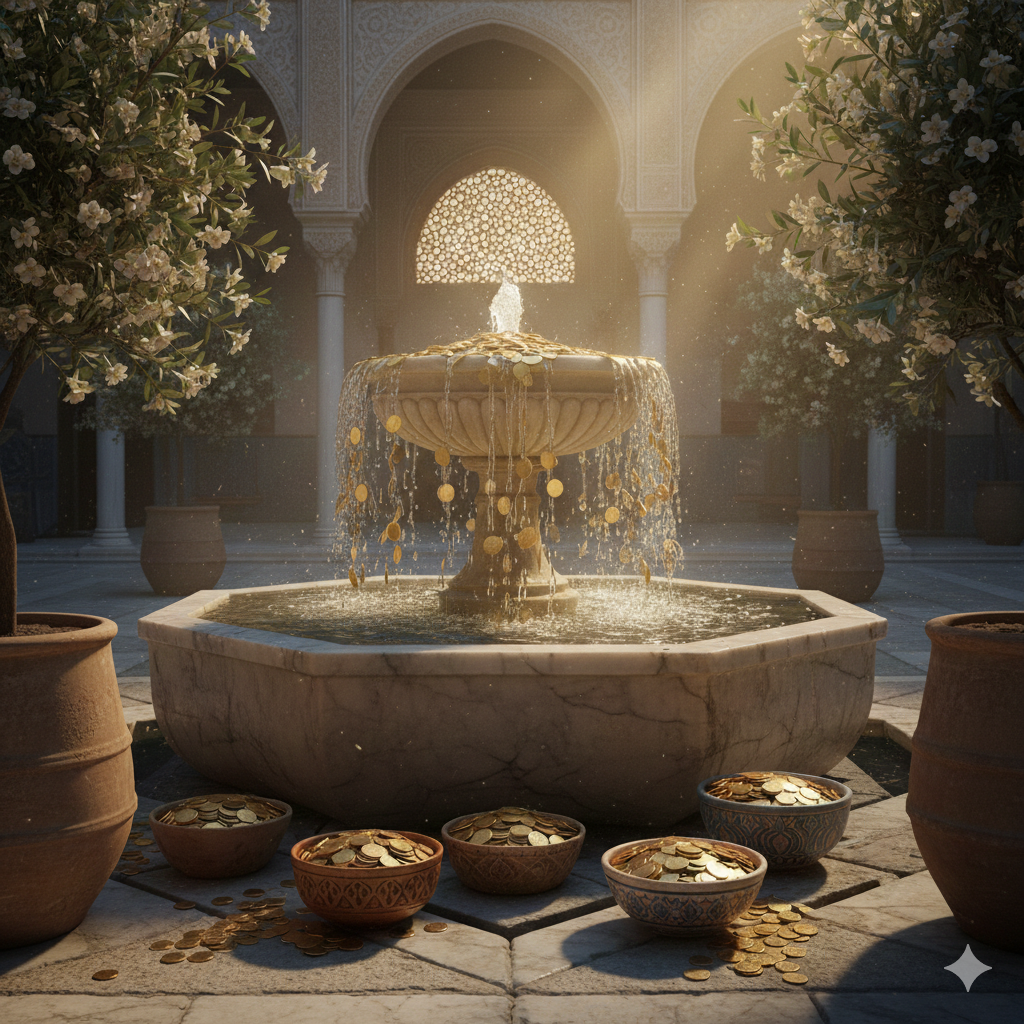
In the Islamic worldview, wealth is not merely a personal possession to be hoarded; it is a Amanah (trust) bestowed upon us by Allah. How we earn it, how we manage it, and most importantly, how we share it, are all central to our spiritual journey. Charity in Islam is not just an act of kindness; it is a mechanism for social justice, a means of self-purification, and a gateway to immense divine rewards.
1. Wealth is a Trust (Amanah)
The first step in understanding the Islamic perspective on wealth is acknowledging its true owner. Everything in the heavens and the earth belongs to Allah. We are merely temporary custodians of the resources He provides.
"Believe in Allah and His Messenger and spend out of that in which He has made you successors (trustees). For those of you who have believed and spent, there will be a great reward."
(Surah Al-Hadid, 57:7)
When we give, we are not giving away "our" money; we are returning a portion of Allah's bounty to those He has designated as recipients.
2. Charity Does Not Decrease Wealth
One of the most profound paradoxes in Islam is that giving away wealth actually increases it. While our physical bank balance might decrease in the short term, the spiritual and material blessings (Barakah) that follow far outweigh the initial amount given.
The Prophet Muhammad ﷺ said:
"Wealth is not diminished by giving (in charity)..."
(Sahih Muslim 2588)
This divine promise reassures the believer that generosity is never a loss. Allah replaces what is given with something better, whether in this life or the next.
3. The Reward of Multiple Folds
Allah uses a beautiful metaphor in the Quran to describe the exponential growth of charity. He compares the act of giving to a grain that grows into seven ears, each containing a hundred grains.
"The example of those who spend their wealth in the way of Allah is like a seed of grain which grows seven spikes; in each spike is a hundred grains. And Allah multiplies His reward for whom He wills. And Allah is all-Encompassing and Knowing."
(Surah Al-Baqarah, 2:261)
This verse highlights that the return on investment for charity is far greater than any worldly market can offer.
4. Purification of the Soul and Wealth
The word Zakat itself means "purification" and "growth." By giving a portion of our wealth, we purify our hearts from greed (Shuh) and the love of worldly possessions. It also purifies the remaining wealth, making it more blessed and beneficial.
Allah says to the Prophet ﷺ:
"Take, O, Muhammad, from their wealth a charity by which you purify them and cause them increase..."
(Surah At-Tawbah, 9:103)
Charity acts as a shield, protecting us from the harmful spiritual effects of hoarding and excessive attachment to material things.
5. Shade on the Day of Judgment
On the Day of Resurrection, when there will be no shade except the shade of Allah's Throne, the charitable person will find comfort under the shade of their own charity.
The Prophet ﷺ said:
"The believer's shade on the Day of Resurrection will be his charity."
(Ahmad, Tirmidhi)
Furthermore, one of the seven categories of people who will be shaded by Allah is:
"...a man who gives in charity and hides it such that his left hand does not know what his right hand gives."
(Sahih Bukhari, Sahih Muslim)
Practical Steps for Giving
- Calculate and Pay Your Zakat: Ensure you are fulfilling this obligatory pillar of Islam accurately and on time.
- Setup a Monthly Sadaqah:: Even a small, consistent amount is highly beloved to Allah.
- Automate Your Giving: Use modern platforms to ensure you never miss an opportunity to give, especially during blessed times.
- Give Secretly: While public charity is permissible, secret giving is superior for purifying intentions.
- Give to Near Relatives First: The Prophet ﷺ taught that charity to a relative is both charity and upholding family ties.
Conclusion
Sharing our wealth is not a burden but a privilege. It is a way to express our gratitude to Allah, to support our brothers and sisters in humanity, and to invest in a future that never ends. By opening our hands to give, we open our hearts to receive the boundless mercy and blessings of our Creator.
Let us strive to be among those whose wealth is a source of goodness for themselves and the world around them.
References
- Quran: Surah Al-Baqarah (2:261), Surah At-Tawbah (9:103), Surah Al-Hadid (57:7)
- Sahih al-Bukhari
- Sahih Muslim
- Musnad Ahmad
- Jami` at-Tirmidhi
This blog post is based on authentic Islamic sources. For specific religious rulings, please consult qualified Islamic scholars.