The Beauty of Kindness: A Path to Allah’s Love
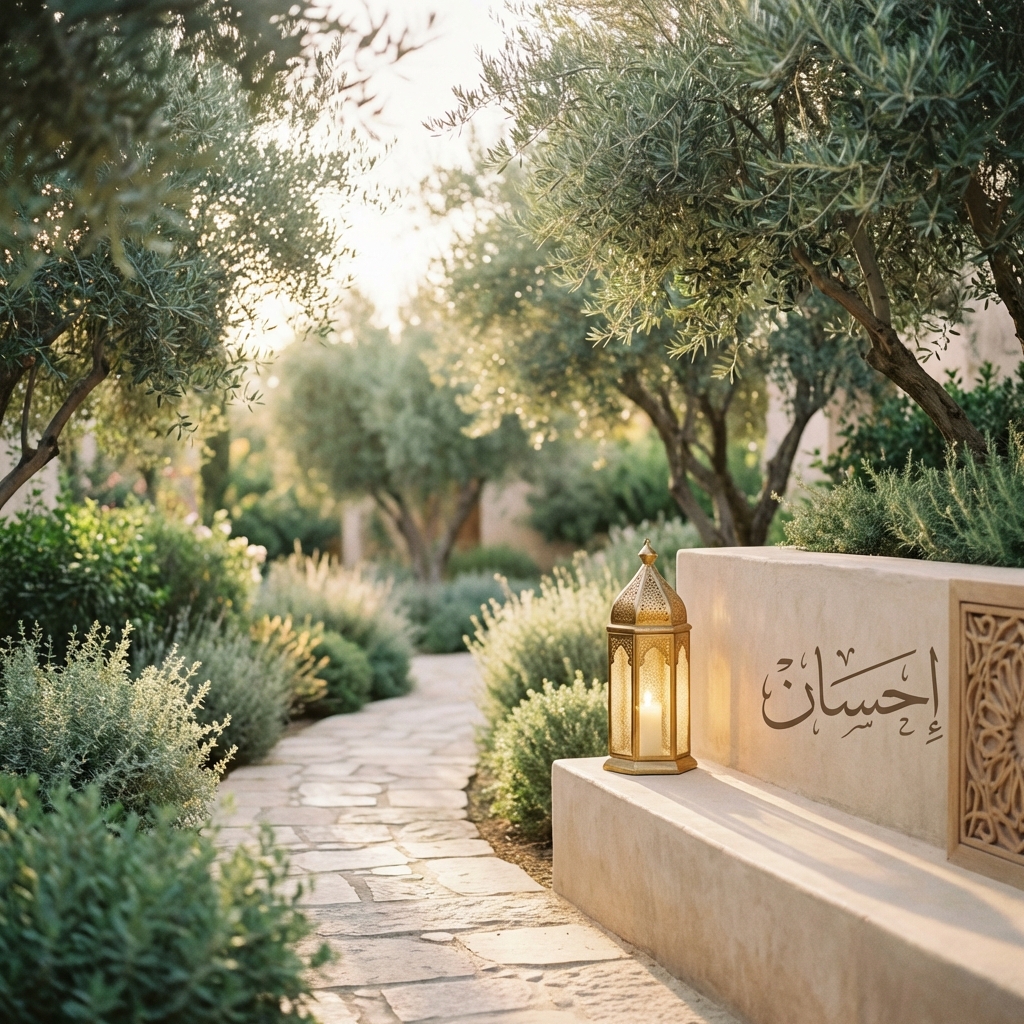
In a world that can often feel harsh and demanding, Islam offers a refreshing and transformative perspective on how we should treat one another. Kindness, known as Rifq (gentleness) and Ihsan (excellence/kindness), is not merely a social etiquette in Islam; it is a fundamental act of worship and a core attribute of a believer.
Our Prophet Muhammad ﷺ was the living embodiment of kindness, demonstrating through his actions that a gentle word or a compassionate gesture can change hearts and earn the pleasure of Allah.
1. Kindness is an Attribute of Allah
The most powerful motivation for a Muslim to be kind is the knowledge that Allah Himself is Kind. When we practice kindness, we are manifesting a quality that our Creator loves.
The Prophet Muhammad ﷺ said:
"Allah is Kind and He loves kindness in all things."
(Sahih Bukhari 6257, Sahih Muslim 2165)
This means that no matter the situation—whether we are dealing with family, friends, or even those who have wronged us—kindness should be our default approach.
2. A Divine Command for Excellence
The Quran explicitly commands us to maintain the highest standards of conduct and kindness in our interactions. Allah does not just ask for justice; He asks for Ihsan—going above and beyond in goodness.
"Indeed, Allah orders justice and good conduct (Ihsan) and giving to relatives and forbids immorality and bad conduct and oppression. He admonishes you that perhaps you will be reminded."
(Surah An-Nahl, 16:90)
Furthermore, Allah reminds us to be mindful of our words:
"...and speak to people good words..."
(Surah Al-Baqarah, 2:83)
3. The Beautifying Power of Kindness
Kindness has a unique ability to transform any situation. It softens the hard-hearted and brings peace to the soul. The Prophet ﷺ beautifully described this transformative power:
"Kindness is not found in anything but that it beautifies it, and it is not removed from anything but that it disgraces it."
(Sahih Muslim 2594)
Whether it is in our parenting, our business dealings, or our daily conversations, adding a touch of kindness makes the interaction more beautiful and pleasing to Allah.
4. The Weight of Kindness on the Scale
On the Day of Judgment, our character and how we treated others will carry immense weight. Kindness is one of the easiest ways to fill our scales with good deeds.
The Prophet ﷺ said:
"Nothing is heavier on the believer's Scale on the Day of Resurrection than good character. For indeed, Allah dislikes the rude and the base person."
(Jami` at-Tirmidhi 2002, Graded Sahih)
Being kind to people—especially when it is difficult—is a sign of strong faith and a source of high status in the Hereafter.
5. Gentleness vs. Harshness
Islam strongly discourages harshness and rudeness. Even when correcting someone or standing up for the truth, we are encouraged to do so with gentleness and wisdom.
The Prophet ﷺ taught us:
"He who is deprived of kindness is deprived of all good."
(Sahih Muslim 2592)
This warning reminds us that without kindness, our other acts of worship might lack the spiritual essence that makes them truly acceptable to Allah.
Practical Ways to Practice Kindness
- Start with a Smile: The Prophet ﷺ said, "Smiling in the face of your brother is an act of charity."
- Listen Attentively: Giving someone your full attention when they speak is a profound form of kindness.
- Choose Gentle Words: Before speaking, ask yourself if your words are true, necessary, and kind.
- Help Without Being Asked: Look for small opportunities to assist someone—carrying groceries, holding a door, or offering a ride.
- Forgive and Overlook: True kindness often involves letting go of small grudges and overlooking the mistakes of others.
Conclusion
Kindness is the heartbeat of a Muslim's character. It is the key that opens doors of mercy and the light that guides us toward Allah's love. By choosing kindness over harshness, we not only improve the lives of those around us but also secure our own peace and success in this life and the next.
Let us strive to be the reason someone believes in the goodness of humanity and the beauty of Islam.
References
- Quran: Surah An-Nahl (16:90), Surah Al-Baqarah (2:83)
- Sahih al-Bukhari
- Sahih Muslim
- Jami` at-Tirmidhi
This blog post is based on authentic Islamic sources. For specific religious rulings, please consult qualified Islamic scholars.